There seem to be two extremes among managers — those who avoid giving any real feedback to keep the peace, and those who deliver it so bluntly it demoralizes the person completely. Learning how to give constructive feedback properly sits somewhere in between, and honestly, it’s a skill most people never get formally trained on.
I’ve sat through feedback conversations so vague they were essentially useless, and others so harsh the person shut down entirely instead of listening. Neither approach actually helps anyone improve.
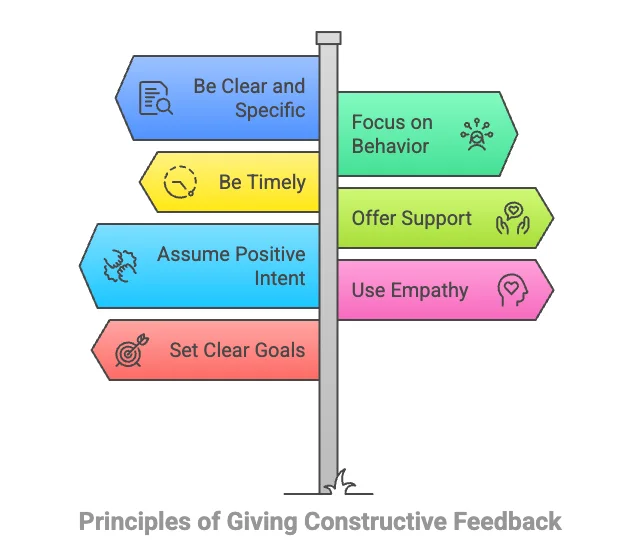
Be Specific, Not General
Direct answer: Giving constructive feedback effectively means being specific about the exact behavior or outcome, not making broad statements about someone’s abilities or character — “the report was missing the Q3 sales breakdown” works far better than “your reports aren’t detailed enough.”
Vague feedback leaves people confused about what to actually change. Specific feedback gives them something concrete to act on.
Time It Close to the Event, Not Weeks Later
Feedback delivered a month after the actual event loses most of its usefulness — the person may not even clearly remember the specifics being discussed. Address issues within a few days while the context is still fresh for everyone involved.
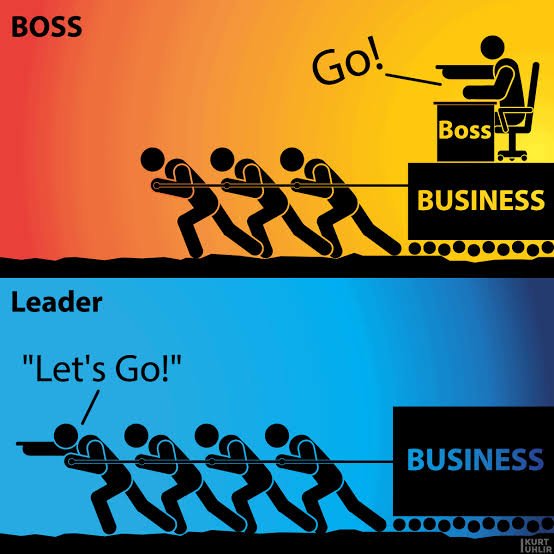
[link to related guide on boss vs leader here]
Use the Situation-Behavior-Impact Framework
This simple structure keeps feedback focused and less personal:
- Situation: describe the specific context (“in yesterday’s client call…”)
- Behavior: describe exactly what happened (“you interrupted the client twice…”)
- Impact: explain the actual effect (“…which made them seem hesitant to share concerns”)
This framework removes vague judgment and keeps the conversation factual.
Balance Critical Feedback With Genuine Recognition
Feedback that’s only ever critical trains people to dread these conversations and become defensive by default. Regularly acknowledging genuine strengths, not just as a buffer before criticism but as standalone recognition, builds the trust needed for critical feedback to actually land well.
Make It a Two-Way Conversation
Feedback delivered as a one-way lecture often gets nodded along to without real understanding or buy-in. Ask questions — “what’s your take on how that went?” — and genuinely listen before delivering your own perspective.
Focus on What Can Actually Change
Criticizing something entirely outside someone’s control (a decision made above their authority, for instance) just creates frustration without any path to improvement. Keep feedback focused on behaviors and decisions the person can genuinely influence.
Follow Up After the Conversation
A good feedback conversation isn’t complete once it ends — checking in afterward (“how did that approach work for you this week?”) shows genuine investment in the person’s improvement, not just a box-ticking exercise.
Suggested image alt text: “manager giving constructive feedback to employee in one on one meeting”
FAQ
Q: What is the best framework for giving constructive feedback? The Situation-Behavior-Impact framework is widely used because it keeps feedback specific and factual rather than vague or overly personal.
Q: How often should managers give feedback to their team? Regular, ongoing feedback — not just during formal annual reviews — tends to be far more effective for actual performance improvement.
Q: How do you give feedback to someone who gets defensive easily? Focusing on specific behaviors rather than character, and framing feedback as a two-way conversation, generally reduces defensiveness significantly.
Q: Should positive and negative feedback be given separately? Many experts now suggest avoiding the “sandwich” method of burying criticism between compliments, favoring clear, direct, but respectful feedback instead.
Q: What’s the difference between constructive and destructive feedback? Constructive feedback focuses on specific, actionable behaviors aimed at improvement; destructive feedback tends to be vague, personal, and lacks any clear path forward.
Conclusion
Learning how to give constructive feedback well is genuinely one of the highest-leverage leadership skills you can develop, and it pays off in trust and performance over time. Be specific, time it close to the event, and keep the conversation two-way rather than a lecture. The next time you need to give someone difficult feedback, try the Situation-Behavior-Impact structure and notice how differently the conversation goes.