Authority and Respect Aren’t the Same Thing
Anyone who’s worked under both types knows the difference immediately, even if they can’t quite articulate it. The boss vs leader distinction isn’t just semantics — it shapes team morale, retention, and actual performance in ways that show up clearly over time.
I’ve worked under managers who technically had every bit of authority a “leader” would, yet somehow their teams stayed disengaged and turnover stayed high. The difference wasn’t the title — it was how that authority got used.
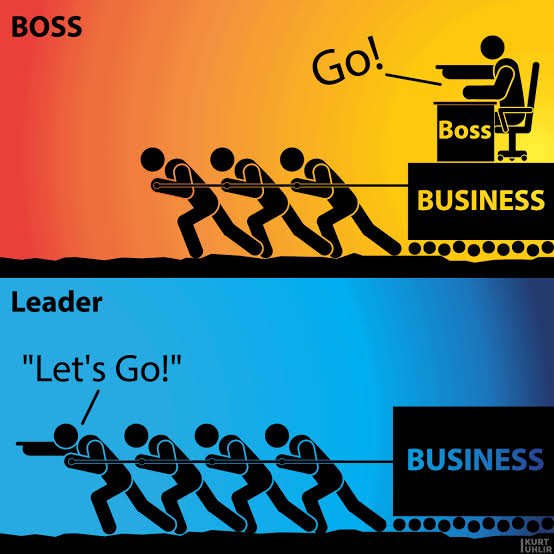
Bosses Command; Leaders Influence
Direct answer: The core difference between a boss and a leader is that a boss relies primarily on positional authority to get things done, while a leader earns genuine influence through trust, consistency, and example — meaning people follow a leader by choice, not just obligation.
A boss says “do this because I said so.” A leader explains the why, and people follow because they actually believe in the direction, not just because they’re told to.
Real Example: Handling a Missed Deadline
A boss, seeing a missed deadline, might immediately assign blame and demand it never happens again. A leader investigates what actually caused the delay first — was it unclear priorities, resource shortage, poor planning — and addresses the root cause, which often prevents the same issue recurring.
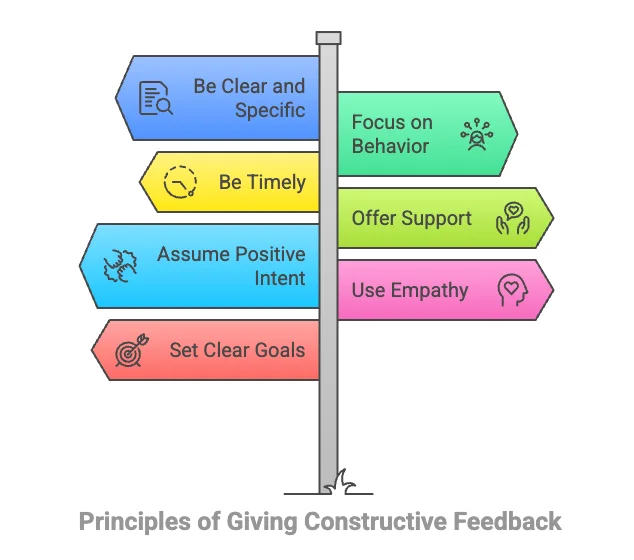
[link to related guide on giving constructive feedback here]
Bosses Take Credit; Leaders Share It
This is one of the most visible differences on a team. A boss presenting a successful project to senior management might speak entirely in “I” statements. A leader consistently highlights the specific contributions of team members by name — a small habit that builds significant loyalty over time.
Real Example: Responding to a Team Member’s Mistake
- A boss reaction: public criticism, focus on the error itself, implied threat about consequences
- A leader reaction: private conversation, focus on understanding what happened and preventing recurrence, genuine support for correcting course
Leaders Develop People; Bosses Just Manage Tasks
A boss is primarily focused on whether tasks get completed on schedule. A leader invests time in genuinely developing team members’ skills and career growth, even when it means short-term inefficiency as someone learns something new.
- Leaders regularly ask about career goals, not just current project status
- Leaders delegate meaningful, growth-oriented work, not just routine tasks
- Leaders actively create opportunities for team members to be visible to senior stakeholders
Can Someone Be Both? Absolutely
The goal isn’t necessarily choosing one label — plenty of effective managers combine clear authority (when genuinely needed, like enforcing a critical deadline) with the trust-building habits of real leadership. The trouble comes when someone leans entirely on authority without ever earning genuine respect.
Which One Do Teams Actually Perform Better Under?
Teams led by genuine leaders — not just bosses with a title — consistently show stronger engagement, lower turnover, and better performance during difficult periods, when compliance alone (the boss approach) tends to break down under pressure.
Suggested image alt text: “leader mentoring team member versus boss giving orders illustration”
FAQ
Q: Can a boss become a better leader? Yes, leadership skills like active listening, giving credit, and developing people can absolutely be learned and improved over time with genuine effort.
Q: Is it possible to be a leader without having formal authority? Yes, many people demonstrate genuine leadership qualities and earn team respect long before receiving a formal management title.
Q: What’s the biggest sign someone is a boss rather than a leader? A consistent pattern of taking credit for successes while assigning blame for failures is one of the clearest indicators.
Q: Do all successful managers need to be leaders, not just bosses? While pure authority can drive short-term compliance, long-term team performance and retention strongly favor genuine leadership qualities.
Q: How can I tell if my own management style leans more toward boss or leader? Honestly reflecting on how you respond to team mistakes, and whether you regularly develop others’ skills versus just tracking task completion, reveals a lot.
Conclusion
The boss vs leader distinction ultimately comes down to how authority gets used — to command compliance, or to genuinely earn trust and bring out better performance in others. Real leaders invest in developing people, share credit generously, and address root causes rather than just assigning blame. If you manage a team, it’s worth honestly reflecting this week on which pattern you tend to fall into more often.