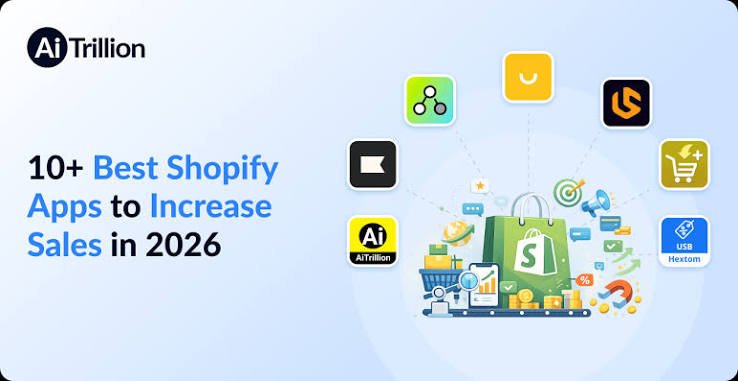
Your Shopify store looks great, traffic is decent, but sales just aren’t matching the effort you’ve put in. Before assuming you need more ads or a redesign, it’s worth checking whether you’re using the best Shopify apps to actually convert the traffic you already have. The Shopify App Store has thousands of options, and picking the wrong combination can slow your store down or confuse customers instead of helping. This guide covers the best Shopify apps to boost sales in 2026 across the categories that actually move the needle — upsells, reviews, email, and speed — without turning your store into an app-bloated mess.
Why App Choice Matters More Than App Quantity
A common mistake among Shopify store owners is installing 15-20 apps hoping something sticks, which usually slows the store down and hurts conversion rates instead of helping them.
The best Shopify apps for most stores fall into just 4-5 core categories — pick one solid app per category rather than stacking multiple overlapping tools.
Upsell and Cross-Sell Apps
Increasing average order value is often easier and cheaper than acquiring new customers, which makes upsell apps some of the highest-ROI additions to a Shopify store.
Featured Snippet Answer: The best Shopify apps for upsells let you offer post-purchase add-ons (after checkout, before the confirmation page) and cart-page bundles (“frequently bought together”). Popular options include ReConvert and Bold Upsell, both of which are known for boosting average order value without disrupting the checkout flow.
What to look for:
- Post-purchase upsells (don’t slow down the actual checkout)
- Easy bundle/discount configuration without needing a developer
- Clean, on-brand popup design that doesn’t feel spammy
Product Review and Social Proof Apps
Shoppers trust other customers far more than brand claims — review apps are consistently among the best Shopify apps for improving conversion rates on product pages.
- Look for apps that support photo/video reviews, not just star ratings
- Automated review request emails after delivery save significant manual follow-up
- Display review counts and average ratings directly on collection pages, not just product pages
Popular choices: Judge.me and Loox are widely used for their balance of features and pricing for small-to-mid stores.
Email and SMS Marketing Apps
Email remains one of the highest-ROI channels for Shopify stores, especially for abandoned cart recovery and repeat purchase campaigns.
Featured Snippet Answer: Klaviyo is widely considered one of the best Shopify apps for email marketing because it integrates deeply with store data, allowing highly targeted flows like abandoned cart sequences, post-purchase follow-ups, and win-back campaigns for lapsed customers — all built directly from real purchase behavior.
[link to related guide about reducing cart abandonment here]
Page Speed and Performance Apps
A slow store quietly kills conversions, especially on mobile — and this is one of the most overlooked areas store owners neglect while chasing new features.
- Image compression apps (like TinyIMG) reduce load time without visible quality loss
- Avoid stacking too many apps with heavy scripts, as this is often the real cause of slow load times
- Regularly audit installed apps and remove ones you’re not actively using
Customer Support and Live Chat Apps
Quick answers to pre-purchase questions can be the difference between a sale and an abandoned cart, especially for higher-priced products.
- Live chat apps like Tidio or Gorgias help resolve pre-purchase hesitation in real time
- Look for apps offering automated FAQ responses to reduce manual workload
- Integration with WhatsApp is particularly valuable for Indian D2C stores, given how widely it’s used for customer queries
[link to related guide about handling sales objections here]
Loyalty and Retention Apps
Acquiring a new customer typically costs far more than retaining an existing one, making loyalty apps a smart long-term investment among the best Shopify apps available.
- Points-based loyalty programs (like Smile.io) encourage repeat purchases
- Simple referral programs turn existing customers into a low-cost acquisition channel
- Keep the program simple — overly complex point systems confuse customers and reduce participation
How to Choose the Right Apps Without Overloading Your Store
With so many options, it’s easy to over-install. A disciplined approach works better long-term.
- Identify your store’s single biggest bottleneck first (reviews, upsells, speed, etc.)
- Install one app to address it, and measure impact over 2-4 weeks
- Only add the next app once the current one is proven to help
FAQ
How many apps should a Shopify store realistically have? Most well-optimized stores run effectively with 5-8 core apps — going much beyond that often slows the store down without adding proportional value.
Are paid Shopify apps worth it over free ones? Often yes for core categories like email marketing and reviews, since paid apps typically offer better automation, support, and integration depth that free versions lack.
Do too many Shopify apps slow down a store? Yes — each app adds scripts that load on your storefront, and stacking too many, especially poorly optimized ones, is a common cause of slow page speed.
What’s the best free Shopify app for beginners? Judge.me’s free tier for reviews and Shopify’s native email marketing tool are solid starting points for new stores with limited budgets.
Which Shopify app is best for reducing cart abandonment? Apps with built-in abandoned cart email flows, like Klaviyo, are widely used for this, often alongside on-site exit-intent popup tools.
Should I use bundled all-in-one Shopify apps instead of separate ones? It depends — all-in-one apps reduce app count but sometimes offer weaker features per category compared to dedicated best-in-class apps for each function.
Conclusion
The best Shopify apps for boosting sales in 2026 aren’t about installing everything available — they’re about solving your store’s specific bottlenecks with a lean, well-chosen stack. Focus on upsells, reviews, email marketing, page speed, and retention, and resist the urge to over-install. Start by identifying your single biggest weak spot right now — is it slow page speed, low average order value, or poor email follow-up — and fix that one thing with the right app before adding anything else.