
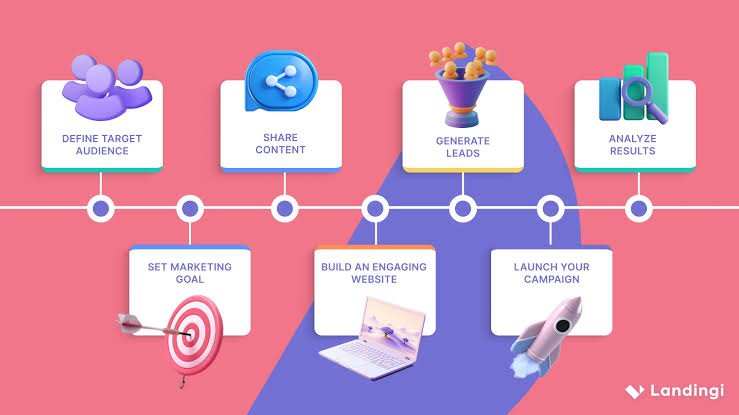
You’ve posted a few blogs, maybe a couple of Instagram reels, and… nothing. No traffic, no leads, just crickets. If this sounds familiar, the problem usually isn’t your content quality — it’s that you’re publishing without a real content marketing strategy for beginners to follow. Random posting rarely compounds into results; a structured plan does. This roadmap walks through exactly how to build a content marketing strategy for beginners from scratch — what to create, where to publish it, and how to actually measure if it’s working, without needing a huge team or budget.
Why Most Beginner Content Marketing Efforts Fail
Most beginners jump straight into “posting content” without first answering three basic questions: who is this for, what problem does it solve, and where does that audience actually spend time online.
Skipping this step is why so many small businesses post consistently for months with zero traction — they’re creating content, not a strategy.
Start With a Clear Content Goal
Before writing anything, decide what you actually want content to do for your business. A content marketing strategy for beginners without a clear goal becomes directionless fast.
Featured Snippet Answer: A beginner content marketing strategy should start with one primary goal — usually brand awareness, lead generation, or customer education — rather than trying to achieve all three at once. Pick one, build content around it for 3 months, then expand once you see what’s working.
Common beginner goals:
- Get found on Google for problem-related searches (SEO-driven blog content)
- Build trust before a purchase (educational email or video content)
- Stay top-of-mind with existing customers (social media content)
Identify Your Audience’s Real Questions
The strongest content ideas come directly from questions your audience is already searching for or asking you.
- Check your own customer support chats and DMs for recurring questions
- Use Google’s “People Also Ask” boxes for your core topics
- Look at competitor blog comments for gaps they haven’t addressed
This single step solves the “what do I even write about” problem that stalls most beginners before they even start.
Choose 2-3 Content Formats, Not Ten
New businesses often try blogs, YouTube, Instagram, podcasts, and newsletters simultaneously — and burn out within a month. A focused content marketing strategy for beginners picks fewer formats and goes deeper.
- If your audience searches Google: blog content + basic SEO
- If your audience scrolls social media: short-form video (Reels/Shorts)
- If your audience needs nurturing before buying: email newsletter
Pick based on where your specific audience already spends time, not what’s trendy.
Build a Simple Content Calendar
Consistency beats frequency — one solid post a week for six months outperforms ten rushed posts in one week followed by silence.
A basic beginner calendar structure:
| Day | Content Type |
| Monday | Blog post or long-form video |
| Wednesday | Short social post/repurpose of blog |
| Friday | Behind-the-scenes or customer story |
[link to related guide about how to build a brand voice here]
Repurpose Every Piece of Content Across Channels
Beginners often create fresh content for every platform, which is exhausting and unnecessary. One well-researched blog post can become 5-6 pieces of content.
Featured Snippet Answer: Repurposing content means turning one core piece — like a blog post — into multiple formats: a carousel for Instagram, a short video script, a LinkedIn post, and an email newsletter section. This multiplies your output without multiplying your workload.
Example repurposing flow:
- Write one detailed blog post
- Pull 3 key points into an Instagram carousel
- Turn the introduction into a 30-second Reel script
- Summarize it for your email newsletter
Focus on SEO Basics From Day One
Even beginners should build basic SEO habits early, since organic search traffic compounds over time far more than social media reach does.
- Target one clear keyword per blog post
- Use that keyword naturally in your title, first paragraph, and 1-2 headings
- Write for humans first, but keep search intent in mind throughout
[link to related guide about on-page SEO checklist for 2026 here]
Measure What Actually Matters, Not Vanity Metrics
Beginners often obsess over likes and followers, which rarely translate into real business results. Track metrics tied to your original goal instead.
- For awareness: reach, impressions, follower growth rate
- For leads: email signups, form submissions, DM inquiries
- For sales: click-throughs to product pages, coupon code usage
Review these monthly, not daily — content marketing compounds over months, not days.
FAQ
How long does it take to see results from content marketing? Most beginners start seeing meaningful traction between 3-6 months of consistent publishing, especially for SEO-driven blog content, which takes time to rank.
Do I need a big budget to start a content marketing strategy? No — most beginner strategies cost time more than money. A smartphone for video and free tools like Canva are enough to start consistently.
Should I focus on blogs or social media first as a beginner? It depends on where your audience searches for solutions — if they Google problems, start with blogs; if they scroll for inspiration, start with short-form video.
How often should I post as a beginner? Consistency matters more than frequency — one genuinely useful post per week sustained for months beats daily posting that burns out after three weeks.
What’s the biggest mistake beginners make with content marketing? Trying to be everywhere at once. Picking 2-3 formats and going deep consistently outperforms spreading thin across every platform.
Can I repurpose old content instead of always creating new content? Yes — repurposing well-performing older content (updating stats, refreshing examples) is often more efficient than constantly creating from scratch.
Conclusion
A solid content marketing strategy for beginners doesn’t require a huge team or budget — it needs clarity. Pick one primary goal, build content around real audience questions, choose 2-3 formats you can sustain, and repurpose aggressively instead of reinventing content for every channel. Track the metrics tied to your actual goal, not vanity numbers. Start this week: pick your one goal, write down five content ideas based on real customer questions, and commit to publishing consistently for the next 90 days before judging results.