You Don’t Need a Perfect Product to Start Learning
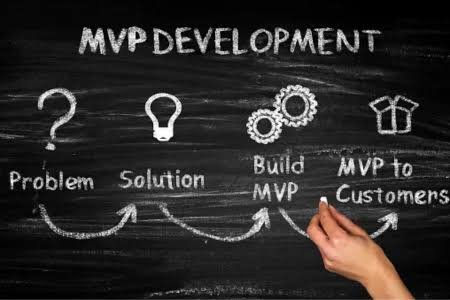
A lot of first-time founders delay launching for months, convinced their product needs more features before anyone sees it. That instinct usually backfires. Learning how to build an MVP on a tight budget is really about testing your core assumption fast and cheap, not building something polished.
I’ve watched founders spend six months and a chunk of their savings building features nobody asked for, only to discover the core idea itself needed rethinking. An MVP exists to prevent exactly that.
Define the One Problem You’re Actually Testing
Direct answer: Building an MVP on a tight budget starts by identifying the single core assumption your business depends on — like “will people pay for X” — and building only the minimum feature needed to test that, ignoring everything else for now.
Write this assumption down in one sentence. If your MVP plan includes features that don’t directly test it, cut them.
Consider No-Code Tools Before Hiring Developers
Platforms like Bubble, Webflow, or Glide let you build functional MVPs without writing code, often at a fraction of development cost. Many successful startups validated their core idea entirely on no-code tools before ever hiring an engineering team.
Use a “Concierge” MVP If Even That’s Too Much
Sometimes the cheapest MVP isn’t software at all — it’s manually doing the service yourself for early customers. A meal-kit startup might manually shop, cook, and deliver for the first 20 customers before building any app, just to confirm demand exists.
[link to related guide on common legal mistakes startups make here]
Prioritize Ruthlessly Using a Simple Framework
- Must-have: without this, the MVP can’t test your core assumption at all
- Nice-to-have: improves experience but isn’t essential for the test
- Later: everything else, no matter how appealing it sounds right now
Most founders overestimate what belongs in the first category.
Get Real Users Before You’re “Ready”
Launching to even 10-20 real users teaches you more than months of internal testing. Feedback from actual paying or committed users — even harsh feedback — is worth more than polishing features in isolation.
Track Just a Few Key Metrics
Don’t build elaborate dashboards for an MVP. Track whether people actually use the core feature, whether they come back, and whether they’d pay (or are already paying). These three signals tell you most of what you need to know early on.
Be Ready to Kill Features That Don’t Matter
If a feature you built isn’t being used within the first few weeks, don’t be precious about it — cut it and reallocate that time toward what users actually engage with.
Suggested image alt text: “startup founder sketching MVP wireframe on whiteboard”
FAQ
Q: How much does it cost to build an MVP? Costs vary widely, but no-code MVPs can often be built for ₹20,000-₹1,00,000, while custom-coded MVPs typically start higher depending on complexity.
Q: Do I need a developer to build an MVP? Not necessarily — many successful MVPs start with no-code tools or even manual processes before any code is written.
Q: How long should it take to build an MVP? Most lean MVPs should take 4-8 weeks to build and launch; longer timelines usually signal scope creep.
Q: What’s the difference between an MVP and a prototype? A prototype demonstrates an idea visually; an MVP is a functional product real users can actually use and pay for.
Q: Should an MVP be free or paid? Where possible, charging even a small amount from day one gives a much clearer signal of real demand than free usage alone.
Conclusion
Learning how to build an MVP on a tight budget comes down to ruthless focus on testing one core assumption, not building a polished product. Use no-code tools or manual processes where possible, and get real users involved as early as you can. If you’ve been overthinking your MVP scope, try cutting it in half this week and see if the core idea still holds up.