It’s 10 AM, your team is “online” on Slack, but nobody knows what anybody else is actually working on. Sound familiar? If you’re trying to figure out how to manage remote teams productivity without turning into a micromanager, you’re not alone — thousands of Indian startups and SMEs shifted to hybrid or fully remote setups after 2020, and most are still figuring out the right rhythm. The good news is that remote work isn’t the productivity killer people assume it is; bad systems are. In this guide, we’ll walk through exactly how to manage remote teams productivity the right way — with clear communication rituals, the right tools, and a management style that builds trust instead of suspicion.
Why Remote Team Productivity Breaks Down in the First Place
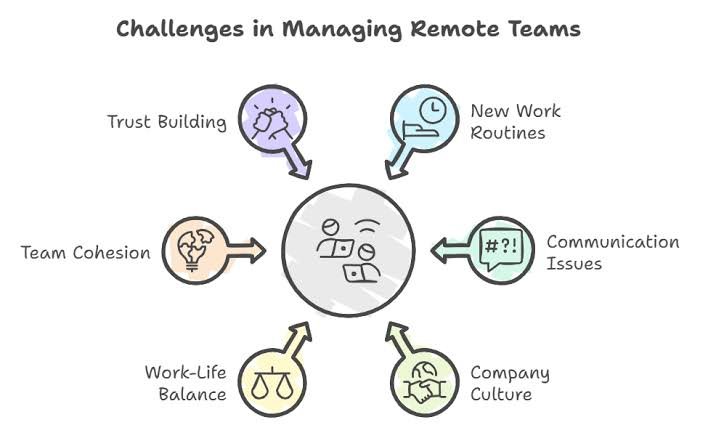
Before fixing anything, you need to know what’s actually broken. Most remote productivity issues aren’t about laziness — they’re structural.
Common root causes:
- No clear ownership — tasks float between people and nobody feels responsible
- Too many meetings, not enough async updates — people spend hours in calls instead of doing deep work
- Time zone mismatches — especially for teams working with US or European clients
- Invisible workload — managers can’t “see” effort the way they could in an office, so they either over-trust or over-check
Once you diagnose which of these is hurting your team, the fixes below become much more targeted instead of generic advice that doesn’t stick.
Set Up Async-First Communication
Managing remote teams productivity starts with reducing dependency on real-time chat. If every question needs an instant reply, your team is constantly getting interrupted, and deep work never happens.
Featured Snippet Answer: To manage remote teams productivity effectively, shift from real-time chat to async-first communication — use written updates, recorded video walkthroughs (Loom works well), and shared docs instead of constant meetings. This lets employees focus on deep work in blocks instead of reacting all day.
Practical steps:
- Set “core hours” (e.g., 11 AM–3 PM IST) where everyone overlaps for calls
- Use Loom or a similar tool for anything that would’ve been a 15-minute meeting
- Document decisions in Notion or Google Docs, not buried in chat threads
Use the Right Tools — But Don’t Over-Tool Your Team
A lot of founders throw 6 different apps at their team and wonder why nothing gets tracked. Fewer tools, used properly, beat a dozen half-used ones.
A lean stack that actually works for most 10-50 person teams:
- Project tracking: ClickUp or Asana
- Communication: Slack (with strict channel discipline)
- Documentation: Notion
- Time visibility (optional, not surveillance): Toggl for self-reported time logs
The goal isn’t to watch every click — it’s to make sure work is visible without anyone feeling spied on. Teams that feel monitored disengage faster than teams left alone with clear expectations.
Build a Daily Async Standup Habit
Daily standups don’t need to be a live call. A written standup posted in a dedicated Slack channel by 11 AM works just as well and respects everyone’s focus time.
Format that works well:
- What I finished yesterday
- What I’m working on today
- Any blockers I need help with
This alone solves 50% of the “I don’t know what my team is doing” problem managers face when trying to manage remote teams productivity across different cities or countries.
Set Outcome-Based Goals, Not Activity-Based Ones
This is where most Indian managers trip up — they’re used to judging effort by “time at desk,” which simply doesn’t translate to remote work.
Featured Snippet Answer: The best way to judge remote team productivity is by outcomes, not hours logged. Set weekly deliverables per person (e.g., “3 blog drafts” or “5 client calls closed”), review progress every Friday, and let people choose their own working hours as long as targets are met.
Use a simple weekly scorecard:
| Team Member | Weekly Goal | Status |
| Priya | 3 client proposals | Done |
| Rahul | Fix 12 support tickets | 9 done |
This removes ambiguity and gives both sides a fair way to measure output.
Fight Isolation With Intentional Connection
Managing remote teams productivity isn’t only about output — disengaged, isolated employees eventually burn out or quit, which tanks productivity long-term.
Simple things that help:
- A weekly 30-minute “no work talk” call
- Recognizing wins publicly in a #wins Slack channel
- Occasional in-person meetups if your team is in the same city or region (many Indian startups do quarterly offsites in Goa or Jaipur for exactly this reason)
[link to related guide about building company culture remotely here]
Handle Time Zone Differences Without Burning People Out
If you work with international clients — US, UK, Australia — time zones can quietly wreck morale if not managed with intention.
- Rotate who takes late/early calls instead of always assigning the same person
- Record all client calls so non-attendees can catch up asynchronously
- Use a shared tool like World Time Buddy when scheduling anything cross-region
[link to related guide about hiring international remote talent here]
Give Feedback Often, Not Just at Review Time
Remote employees miss the casual “good job” or quick correction that happens naturally in an office. Without it, they either drift or become anxious about how they’re doing.
- Give feedback within 48 hours of a task, not weeks later
- Use a mix of public praise and private constructive notes
- Ask “what would help you do this better next time” instead of just pointing out mistakes
[link to related guide about giving effective employee feedback here]
FAQ
How do I know if my remote employees are actually working? Honestly, the best signal isn’t screen-monitoring software — it’s whether deliverables are showing up on time and at the expected quality. If output is consistent, how someone spends their hours matters far less.
What’s the ideal team size for remote management? Most managers can effectively manage remote teams productivity for around 6-8 direct reports before communication overhead starts to hurt quality. Beyond that, you need team leads under you.
Should I use time-tracking software for remote employees? Only if it’s for billing clients or payroll transparency, not surveillance. Trust-based systems consistently outperform monitored ones for creative and knowledge work.
How many meetings is too many for a remote team? If your team spends more than 20% of their week in meetings, it’s too much. Push non-urgent discussions to async docs or Slack threads instead.
What tools do Indian startups actually use for remote teams? Slack, Notion, and ClickUp are the most common combo among Indian startups in the 10-100 employee range, mainly because pricing is reasonable and onboarding is fast.
How do I fix a remote team that’s already disengaged? Start with 1:1 conversations to understand the real issue — usually it’s unclear expectations or isolation, not laziness. Rebuild trust with clear weekly goals and consistent feedback before adding more tools or rules.
Conclusion
Getting remote teams productivity right isn’t about more control — it’s about clearer systems. Shift to async-first communication, set outcome-based goals instead of tracking hours, keep your tool stack lean, and don’t underestimate how much isolation quietly kills motivation. Teams that feel trusted and clearly directed consistently outperform teams that feel watched. If you’re managing a remote team right now, pick just one change from this guide — maybe switching to async standups — and roll it out this week before adding anything else.