Clean water is one of those things most people don’t think about until something goes wrong. Maybe the water starts tasting a little different, the shower pressure drops, or white marks begin appearing around the kitchen tap. These small changes can be easy to ignore, especially when life is busy. But a home water treatment system needs occasional attention to keep doing its job properly.
Whether you rely on a water softener, a filtration unit, or a more advanced purification setup, regular care can help protect your investment. The good news is that maintaining a system doesn’t always require complicated work. A few sensible habits, timely professional assistance, and an understanding of your household’s water needs can make a noticeable difference.
Why Water Treatment Systems Need Regular Attention
Water treatment equipment works behind the scenes every day. Depending on the system, it may remove sediment, reduce unwanted tastes and odors, address hardness minerals, or help manage specific contaminants. Over time, filters collect particles, components experience wear, and certain materials reach the end of their useful life.
Even a quality system can become less effective when routine maintenance is overlooked. A clogged filter, for example, may restrict water flow and make a kitchen faucet noticeably slower. A neglected softener may struggle to manage mineral buildup, leaving spots on dishes and making soap harder to rinse away.
Paying attention to these changes helps you identify problems before they become expensive repairs. It also gives you a better idea of how well your equipment is meeting your family’s needs.
The Importance of Replacing Filters on Time
Filters are among the most important components in many water treatment systems. Their job is to capture or reduce particular substances as water passes through them. However, filters aren’t designed to last forever. Their service life depends on the filter type, water quality, household consumption, and the manufacturer’s recommendations.
Timely filter replacements can help maintain water flow and keep a filtration system performing as intended. Waiting too long may reduce efficiency, affect taste, or allow a heavily loaded filter to become a maintenance concern. Some systems include indicator lights or digital reminders, while others require homeowners to track replacement dates themselves.
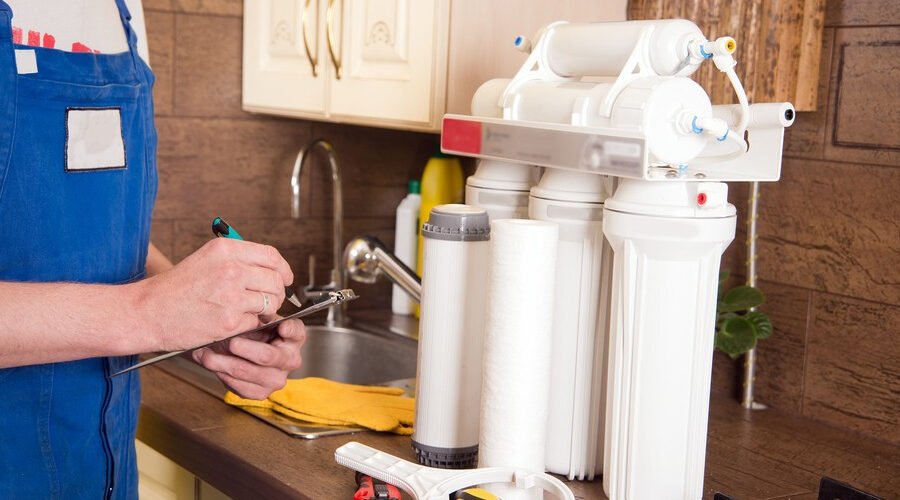
A practical approach is to keep a simple maintenance record. Write down when each filter was installed, the recommended replacement interval, and any noticeable changes in water quality. If your home uses several filtration stages, label them clearly so you know which component needs attention.
It’s also worth remembering that not every filter performs the same job. A sediment filter, activated carbon cartridge, and reverse osmosis membrane have different purposes and replacement schedules. Choosing the correct replacement part matters just as much as changing it on time. If you’re uncertain, consult the system manual or ask a qualified technician rather than guessing.
Recognizing the Signs of a System That Needs Service
Water treatment problems don’t always announce themselves with a sudden breakdown. Often, the first signs are subtle. You might notice that drinking water has developed an unusual taste, soap no longer lathers as easily, or cloudy residue appears on glassware. In other cases, the system may cycle more frequently than usual or make unfamiliar noises.
These symptoms don’t automatically mean the equipment has failed. Changes in the incoming water supply, seasonal conditions, plumbing issues, or a simple maintenance requirement can produce similar effects. That’s why it helps to look at the whole picture rather than immediately replacing the unit.
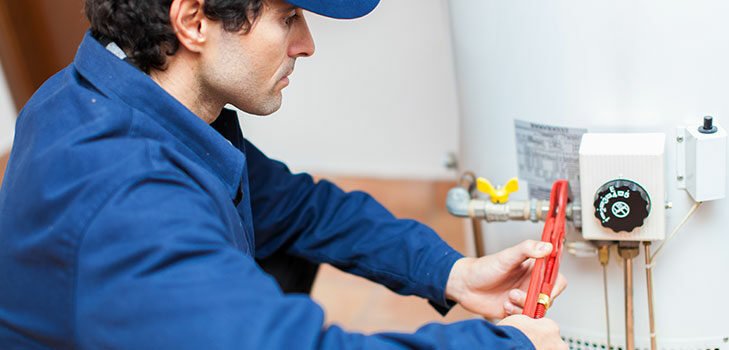
Check the manufacturer’s troubleshooting guidance and inspect only the components you’re comfortable handling. If the issue continues, professional testing can help determine whether the cause lies in the treatment equipment or elsewhere in the plumbing.
For drinking water systems, don’t rely on taste, smell, or appearance alone to judge safety. Some contaminants cannot be detected through the senses. If you’re concerned about water quality, use appropriate testing and select treatment equipment designed for the specific issue identified.
When Is It Time to Upgrade Your Equipment?
Water treatment technology continues to evolve, but newer equipment isn’t automatically the right choice for every household. The decision to make system upgrades should start with your current needs, the condition of your existing unit, and the problems you’re trying to solve.
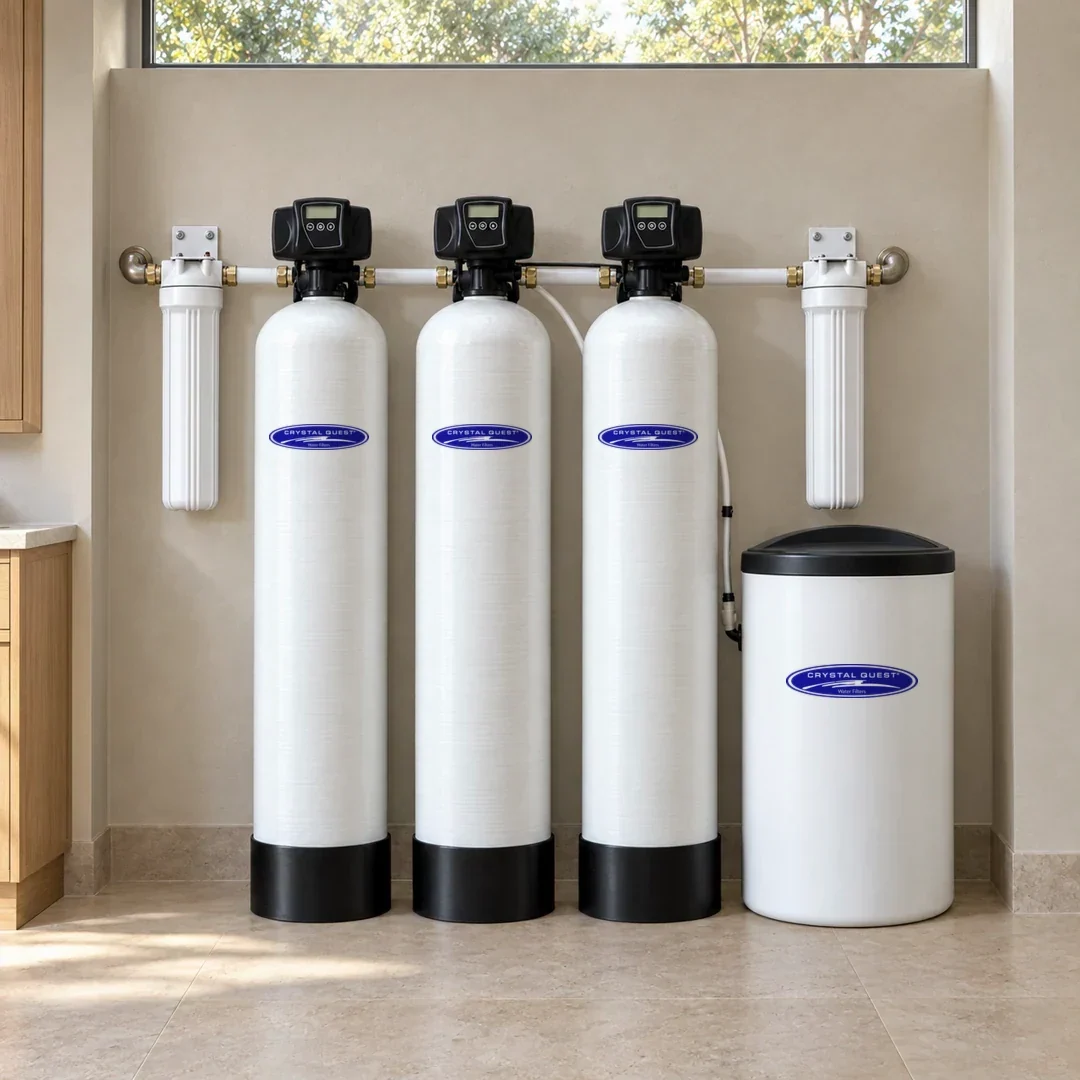
For instance, a household with growing water consumption may benefit from equipment with a more suitable capacity. A family dealing with changing water quality might need a different filtration stage or a system designed to address a newly identified concern. In some cases, newer controls can make maintenance easier by tracking usage, displaying alerts, or helping homeowners monitor performance.
Before investing, consider the total cost rather than the purchase price alone. Installation, replacement cartridges, electricity, water waste, salt, and future servicing can all affect the long-term expense. A cheaper unit may not be the best value if its operating costs are high or replacement components are difficult to find.
Ask a water treatment professional to explain which features are genuinely useful for your situation. Request clear information about performance claims, maintenance requirements, and the contaminants the system is certified or independently tested to reduce. The goal isn’t to buy the most advanced equipment available; it’s to choose a solution that fits your home and can be maintained reliably.
Could Renting a Water Treatment System Make Sense?
Buying equipment outright works well for many homeowners, but it isn’t the only option. For households that prefer predictable payments or want to avoid a large upfront expense, water system rentals may offer a practical alternative.
Rental arrangements vary considerably. Some include installation and routine servicing in the monthly fee, while others charge separately for replacement filters, repairs, or additional visits. Before signing an agreement, read the terms carefully and ask what happens if the equipment stops working or your household’s needs change.
It’s also sensible to compare the total cost over the expected rental period with the cost of purchasing a comparable system. A rental plan may offer convenience, but it could become more expensive over several years. Ownership, on the other hand, gives you greater control while making you responsible for maintenance and repairs.
Consider flexibility, too. If you’re renting your home, planning a move, or unsure which treatment system will suit you best, a rental agreement with reasonable cancellation terms may be appealing. Just make sure the equipment is appropriate for your water conditions and that the provider offers dependable support.
Small Maintenance Habits That Make a Difference
You don’t need to become a water treatment expert to care for your system. Start with a few straightforward habits that fit easily into your routine.
- Follow the manufacturer’s schedule. Record filter changes, inspections, and recommended servicing dates.
- Watch for unusual changes. Reduced flow, unexpected noises, leaks, or changes in taste deserve attention.
- Keep the area accessible. Avoid storing heavy items around the equipment or blocking ventilation where it is required.
- Use compatible supplies. Replacement cartridges, cleaning products, and other consumables should meet the system’s specifications.
- Arrange testing when needed. If your water source changes or you suspect a problem, appropriate testing can guide the next step.
These simple actions can help prevent avoidable interruptions and make professional service visits more productive. They also give you useful information when deciding whether your current equipment remains suitable.
A Better Approach to Long-Term Water Quality
Reliable water treatment comes down to more than installing a system and forgetting about it. Equipment needs the right care, components need attention at the appropriate time, and household water requirements can change over the years.
Start by understanding what your system is designed to do. Keep maintenance records, respond to warning signs, and seek professional advice when problems persist. If replacement or an upgrade becomes necessary, compare options carefully rather than making a rushed decision.
Most importantly, remember that good water quality is a practical, ongoing goal—not a one-time purchase. With thoughtful maintenance and equipment suited to your needs, you can help keep everyday water use convenient, dependable, and better aligned with your household’s needs.