
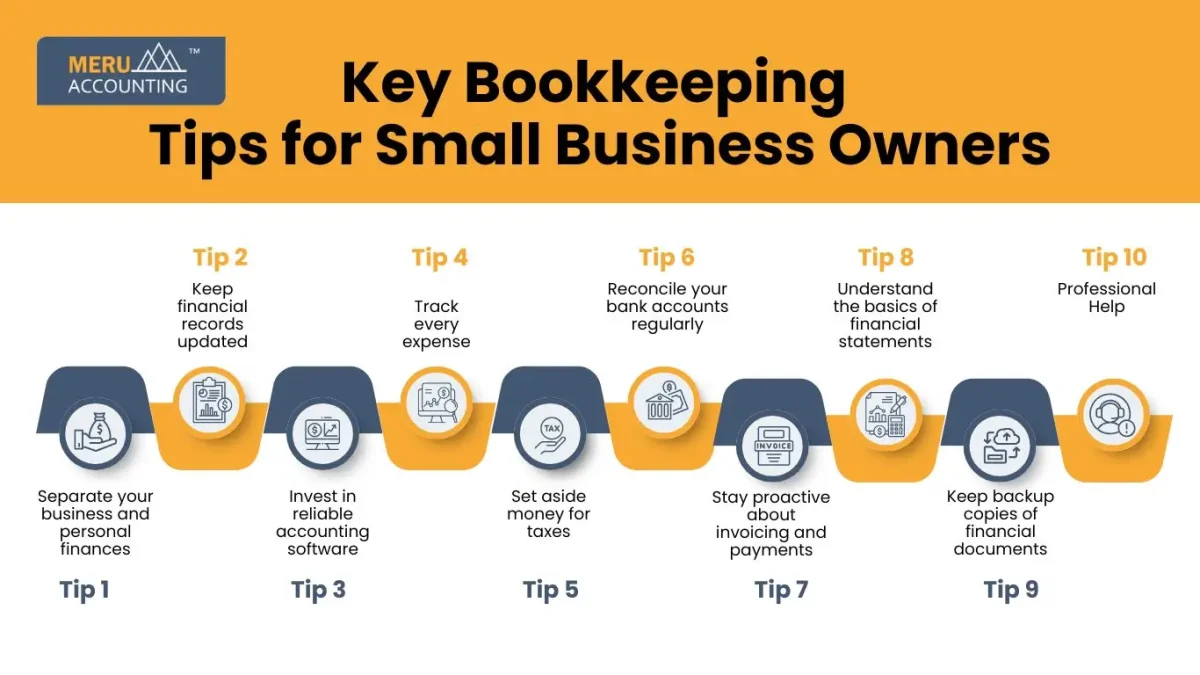
It’s tax season, and you’re digging through a shoebox of receipts trying to remember what that ₹4,500 expense from March actually was. If this feels painfully familiar, you’re not alone — most first-time entrepreneurs never planned to become bookkeepers, yet it’s one of the most important parts of keeping a business alive. These bookkeeping tips for small business owners aren’t about becoming a professional accountant; they’re about building simple habits that keep your finances clear, your taxes stress-free, and your business decisions based on real numbers instead of guesses.
Why Bookkeeping Gets Neglected — and Why It Shouldn’t
Most small business owners are busy actually running the business — sales, operations, customers — so bookkeeping quietly slides to the bottom of the priority list until tax deadlines force the issue.
The problem is that messy books don’t just cause tax season stress; they hide real problems like shrinking margins or unpaid invoices until it’s too late to fix them easily.
Separate Business and Personal Finances Immediately
This is the single most important bookkeeping tip for small business owners, and yet it’s the one most frequently skipped in the early, scrappy days.
Featured Snippet Answer: The first and most important small business bookkeeping tip is opening a separate business bank account and business credit card immediately, even if you’re a sole proprietor. Mixing personal and business expenses is the number one reason bookkeeping becomes confusing and time-consuming later, especially at tax time.
Why this matters:
- Makes tracking actual business profitability accurate and simple
- Simplifies tax filing significantly, since personal expenses don’t need to be separated retroactively
- Protects you legally if your business is ever audited or scrutinized
Track Every Expense, Even Small Ones
Small, “insignificant” expenses add up fast and are easy to forget by the time tax season arrives.
- Use a simple app (Khatabook, Zoho Books, or even a basic spreadsheet) to log expenses as they happen
- Take photos of receipts immediately instead of stuffing them in a drawer for “later”
- Categorize expenses consistently (rent, supplies, marketing, etc.) from day one
Reconcile Your Bank Statements Monthly
Many first-time owners only look at their bank balance, not whether it actually matches their recorded transactions — this is where errors and missed expenses hide.
Featured Snippet Answer: Bank reconciliation means comparing your recorded transactions against your actual bank statement every month to catch errors, missed entries, or fraudulent charges early. Small business owners who skip this step often discover costly discrepancies only months later, when they’re much harder to trace and fix.
Set a recurring monthly reminder — even 30 minutes on the same date each month prevents small errors from becoming big headaches later.
Understand the Difference Between Cash Flow and Profit
This confuses many new business owners — having money in the bank doesn’t necessarily mean you’re profitable, and vice versa.
- Cash flow is money moving in and out right now (including loans, which aren’t profit)
- Profit is revenue minus expenses over a period, regardless of when cash actually moved
- Track both separately — a business can be profitable on paper but still run out of cash if customers pay late
[link to related guide about getting a small business loan with bad credit here]
Set Aside Money for Taxes as You Earn
A common first-year mistake is spending all incoming revenue, only to face a large, unexpected tax bill with no funds set aside to cover it.
- Set aside a fixed percentage (commonly 20-30%, depending on your tax bracket and business structure) of every payment received
- Keep this in a separate savings account, untouched until tax payments are due
- Consult a local tax professional early to understand your specific applicable rates and GST obligations
Invoice Promptly and Track Receivables Closely
Late payments from clients are one of the most common cash flow problems for small businesses, and poor invoicing habits make this worse.
- Send invoices immediately upon delivering goods or services, not days later
- Use invoicing software (Zoho Invoice, QuickBooks) that sends automatic payment reminders
- Follow up firmly but politely on overdue invoices at 7, 15, and 30 days past due
[link to related guide about content marketing strategy for beginners here]
Review Your Numbers Monthly, Not Just at Tax Time
Bookkeeping isn’t just a compliance task — reviewed regularly, it becomes a genuinely useful decision-making tool.
- Check monthly revenue vs. expenses to spot trends early
- Identify your most and least profitable products or services
- Use these insights to adjust pricing, cut low-value expenses, or double down on what’s working
FAQ
Do I need an accountant if I’m just starting out? Not necessarily for daily bookkeeping — simple tools can handle that — but consulting an accountant for tax filing and structure decisions early on is generally a smart investment.
What’s the easiest bookkeeping software for small business beginners? Zoho Books and Khatabook are popular in India for their simplicity and affordability, while QuickBooks is common internationally for slightly more complex needs.
How often should I update my books as a small business owner? Ideally weekly for expense tracking and monthly for full reconciliation — waiting until tax season creates unnecessary stress and increases the chance of errors.
What’s the biggest bookkeeping mistake first-time business owners make? Mixing personal and business finances — this single habit creates the most confusion and extra work when it’s time to file taxes or assess actual profitability.
How much should I set aside for taxes as a small business owner? Generally 20-30% of income is a reasonable starting estimate, though the exact percentage depends on your business structure and applicable tax rates — a local tax professional can confirm your specific number.
Can I do my own bookkeeping without an accounting background? Yes, for most small businesses — modern tools are designed for non-accountants, and consistent, simple habits matter more than technical accounting knowledge.
Conclusion
These bookkeeping tips for small business owners aren’t about mastering accounting — they’re about building a handful of simple, consistent habits: separate accounts, track every expense, reconcile monthly, and set aside taxes as you earn. Done consistently, bookkeeping stops being a stressful scramble and becomes a genuinely useful tool for understanding how your business is really doing. Start today with the easiest win: if you haven’t already, open a separate business bank account this week before another transaction gets mixed in with your personal spending.