Governance Sounds Boring Until Something Goes Wrong
Most new managers never think about corporate governance basics until a compliance issue, an ethical gray area, or a board-level decision suddenly lands on their desk unprepared. Understanding this early saves a lot of confusion later.
I’ve noticed even experienced managers sometimes confuse governance with general management — they’re related, but governance specifically concerns accountability structures and decision rights, not day-to-day operations.
What Corporate Governance Actually Means
Direct answer: Corporate governance refers to the system of rules, practices, and processes that direct and control a company — covering how decisions are made, who’s accountable to whom, and how the interests of shareholders, employees, and other stakeholders are balanced.
For a new manager, this mostly translates to understanding reporting lines, decision authority limits, and where ethical or compliance lines exist in your specific role.
Understanding the Board’s Role vs Management’s Role
New managers sometimes assume the board handles “big picture” decisions while management handles “everything else” — but the actual division of authority is usually more specific and documented, covering things like spending limits, hiring authority, and strategic sign-offs.
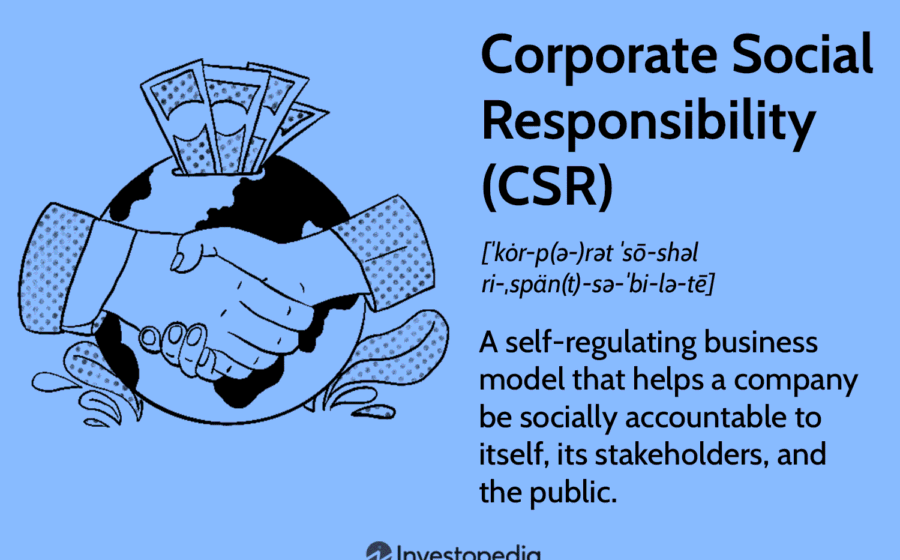
[link to related guide on corporate social responsibility benefits here]
Why Transparency in Reporting Matters
Accurate, honest reporting up the chain — even when numbers aren’t great — is a core governance principle. Managers who soften or hide bad news to look better in the short term create much bigger governance problems later when the truth eventually surfaces.
Conflict of Interest Awareness
Understanding what constitutes a conflict of interest — a vendor relationship, a personal financial stake, a family connection in a hiring decision — and disclosing it properly is a basic governance responsibility that new managers sometimes overlook entirely.
Compliance Isn’t Just Legal’s Job
New managers often assume compliance (data protection, workplace safety, financial regulations) is purely a legal or compliance department’s responsibility. In practice, day-to-day governance depends heavily on managers actually enforcing these standards within their own teams.
- Know the specific compliance requirements relevant to your department
- Report concerns through proper channels rather than ignoring gray areas
- Document decisions that could later be questioned or audited
Ethical Decision-Making Frameworks
Good governance isn’t just about following rules — it’s about making sound judgment calls in situations rules don’t explicitly cover. Having a simple internal framework (would I be comfortable if this decision were made public? does this serve the company’s actual long-term interest?) helps navigate these gray areas.
Why This Matters More as You Get Promoted
The governance responsibilities that feel abstract at a junior management level become directly relevant fast as you move into senior roles with real budget authority and hiring power. Understanding these basics early prepares you well for that transition.
Suggested image alt text: “new manager reviewing corporate governance policy documents”
FAQ
Q: What is the difference between corporate governance and management? Governance concerns the overall accountability structure and decision rights within a company; management concerns the actual day-to-day execution of business operations.
Q: Why is corporate governance important for new managers? It helps new managers understand accountability boundaries, compliance responsibilities, and ethical decision-making frameworks relevant to their role.
Q: Who is responsible for corporate governance within a company? Primarily the board of directors sets governance policy, but managers at every level play a role in implementing and upholding it daily.
Q: What happens when corporate governance fails? Poor governance often leads to compliance violations, financial mismanagement, ethical scandals, or loss of stakeholder trust, sometimes with significant legal consequences.
Q: Do small businesses need to worry about corporate governance? Yes, though less formally than large corporations — even small businesses benefit from clear accountability structures and ethical decision-making practices.
Conclusion
Understanding corporate governance basics early in your management career prepares you for the accountability and ethical judgment calls that come with more senior roles later. Know your decision boundaries, report honestly, and watch for conflicts of interest before they become real problems. If you’re new to a management role, it’s worth asking your organization directly what specific governance policies apply to your position.