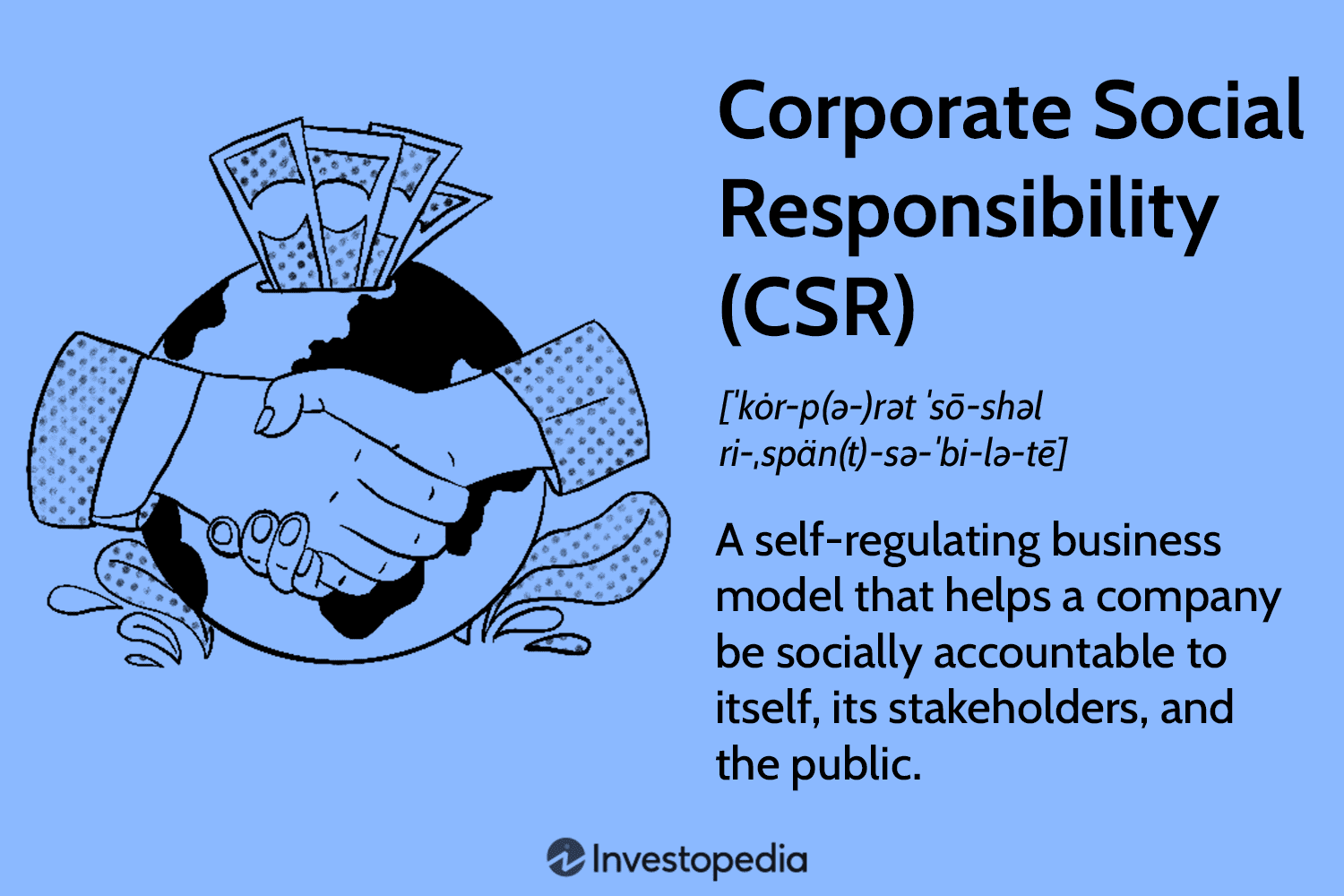
Consumers Can Tell the Difference Between Genuine and Performative
A lot of companies treat corporate social responsibility as a box-ticking exercise — a donation here, a press release there — and customers, especially younger ones, tend to see right through it. Real CSR benefits show up only when the effort feels genuine and consistent, not seasonal.
I’ve noticed brands that build CSR into their actual operations, not just marketing campaigns, tend to earn far more loyalty than those doing one-off charity events for good PR.
Why CSR Actually Affects Purchase Decisions
Direct answer: Corporate social responsibility builds brand trust because consumers increasingly want to support businesses whose values align with their own, and a genuinely consistent CSR effort signals long-term integrity rather than just chasing profit at any cost.
Studies have repeatedly shown a meaningful percentage of consumers, particularly younger demographics, factor a company’s social and environmental practices into their buying decisions.
Integrate CSR Into Core Operations, Not Just Marketing
CSR that’s bolted onto marketing campaigns without touching actual business practices tends to feel hollow. Real integration might mean:
- Sourcing materials ethically even when it costs slightly more
- Fair wage practices verified through actual policy, not just statements
- Environmental practices embedded into supply chain decisions, not just annual reports
[link to related guide on corporate governance basics here]
Employee Engagement Through CSR Programs
CSR isn’t only about external perception — it significantly affects internal culture too. Employees, especially younger ones entering the workforce, increasingly want to work somewhere whose values they respect, and active CSR programs improve retention and engagement measurably.
Transparency Matters More Than Grand Gestures
A smaller, transparent CSR effort — clearly reported, consistently executed — usually builds more trust than a large, vague initiative announced once and never mentioned again. Customers respond well to seeing actual, specific outcomes, not just intentions.
Local Community Involvement Builds Deeper Loyalty
Businesses that invest visibly in their immediate local community — sponsoring local events, supporting nearby schools, employing locally — often build stronger, more personal brand loyalty than companies focused only on broad, distant causes.
Avoid the Trap of “Greenwashing” or “Socialwashing”
Making exaggerated or vague sustainability and social impact claims without real substance behind them damages trust significantly once exposed — and social media makes exposure far more likely than it used to be. Only claim what you can genuinely back up with data.
Measure and Report CSR Impact Honestly
Businesses that track and openly share real metrics — funds donated, hours volunteered, environmental impact reduced — build far more credibility than those relying on vague statements about “giving back.”
Suggested image alt text: “company employees participating in corporate social responsibility activity”
FAQ
Q: Does CSR actually improve business profitability? Indirectly yes — genuine CSR efforts tend to improve customer loyalty and employee retention, both of which positively affect long-term profitability.
Q: What’s the difference between CSR and greenwashing? CSR involves genuine, verifiable actions aligned with stated values; greenwashing involves exaggerated or false claims without real substance behind them.
Q: Do small businesses need a formal CSR program? Not necessarily formal, but even small businesses benefit from genuine, consistent community or environmental involvement appropriate to their scale.
Q: How do consumers find out if a company’s CSR claims are genuine? Increasingly through social media scrutiny, third-party reports, and transparency in how companies report their actual CSR outcomes.
Q: What CSR activities build the most brand trust? Consistent, transparent, and locally visible efforts tend to build more trust than large, one-off announcements without follow-through.
Conclusion
Genuine corporate social responsibility builds brand trust precisely because it can’t be faked convincingly for long — customers and employees both notice when it’s real versus performative. Integrate CSR into actual operations, report outcomes honestly, and focus on consistency over grand one-off gestures. If your business has a CSR initiative sitting dormant, this is a good time to revisit it and make sure it’s more than just a line on your website.