Water is part of almost everything we do at home. We drink it, cook with it, wash our clothes, take showers, and use it to clean nearly every surface. So, when something seems unusual about the water, it naturally raises questions. Why does it leave white marks on glassware? Why does it smell different sometimes? Is a water filter really necessary, or is the water already safe to use?
These concerns are common, and homeowners don’t always know where to begin. Understanding a few basic things about water quality can make it easier to choose the right treatment and avoid spending money on solutions that aren’t actually needed.
Why Does Water Sometimes Taste or Smell Different?
Changes in water taste and smell can happen for several reasons. Municipal water may have a noticeable chlorine taste because chlorine is used during disinfection. Well water, on the other hand, may contain naturally occurring minerals, iron, sulfur compounds, or other substances that affect its smell and appearance.
Sometimes, the change is temporary. At other times, it may be worth investigating further, especially if the water suddenly develops a strong odor, unusual color, or cloudy appearance. A basic water test can help identify what’s causing the issue instead of relying on guesswork.
Not every unpleasant taste means the water is unsafe, but unusual changes shouldn’t be ignored either.
Do All Homes Need a Water Filtration System?
This is one of the most common questions homeowners ask. The short answer is no, not every home needs the same filtration system. Water quality varies depending on the source, plumbing, location, and treatment already being provided.
Some households mainly want better-tasting drinking water. Others may be concerned about sediment, certain dissolved contaminants, or water that leaves stains on fixtures. The best approach is to identify the specific concern first.
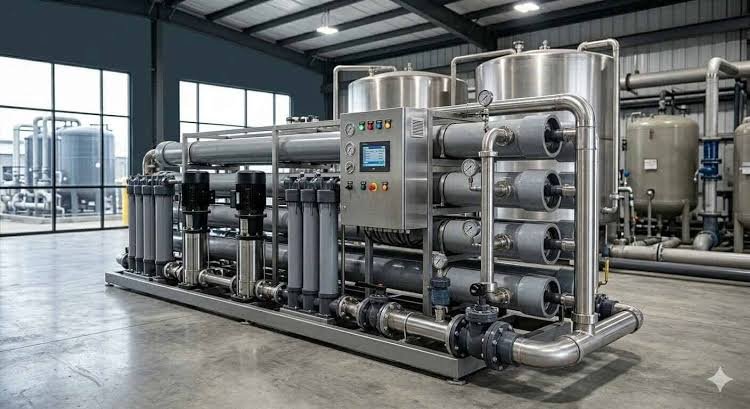
When researching water treatment frequently asked questions, homeowners often discover that filtration systems serve different purposes. A carbon filter may help reduce chlorine taste and odor, while other filtration technologies are designed for different contaminants. Choosing the right system depends on what is actually present in the water.
What Causes Hard Water, and Is It Harmful?
Hard water contains higher levels of minerals, particularly calcium and magnesium. These minerals aren’t generally considered harmful to health, but they can create plenty of household frustration. Soap may not lather properly, shower surfaces develop stubborn spots, and mineral deposits can accumulate inside appliances over time.
Hard water is also responsible for that familiar white residue around taps and sinks. Cleaning it repeatedly can become a chore, especially in areas with naturally mineral-rich water.
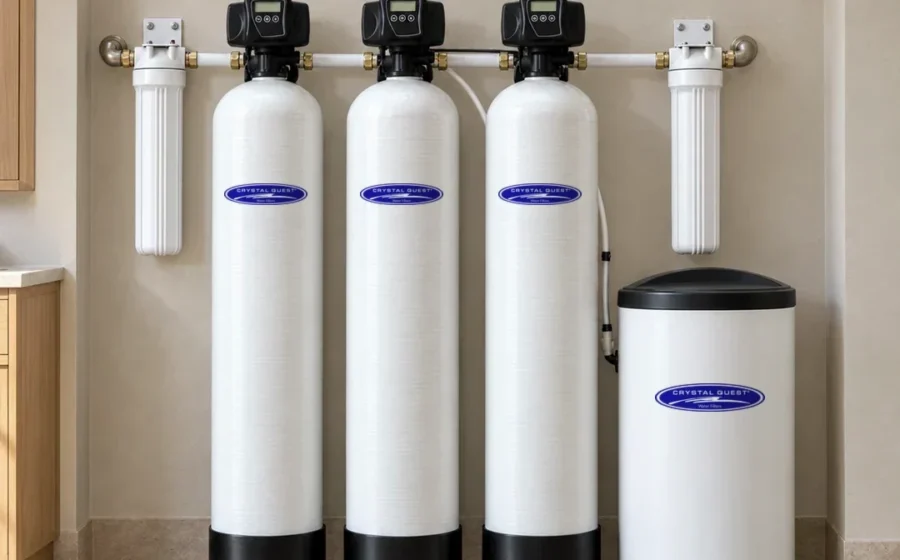
A water softener works by reducing hardness minerals, typically through an ion-exchange process. This can improve soap performance, reduce scale buildup, and make everyday cleaning a little less demanding.
How Can Homeowners Find Reliable Answers?
There is no shortage of water quality advice online, and honestly, some of it can be confusing. One website recommends a particular filter, another suggests a completely different system, and product descriptions often make it difficult to understand what matters.
The most useful answers to common water quality questions usually begin with testing and clear explanations. Homeowners should understand what their water contains, which issues need attention, and how a proposed system addresses them.
It’s also worth asking about filter replacement costs, installation requirements, maintenance schedules, and system performance. A water treatment solution should be easy to understand, not something that leaves you wondering how it works after the installer has gone.
Water Softeners vs. Water Filters: What’s the Difference?
These two systems are often confused because both are used to improve household water, but they perform different functions.
Water filters are designed to remove or reduce specific substances, depending on the technology and filter media. They may help address sediment, chlorine, taste, odor, or certain contaminants.
Water softeners primarily target hardness minerals such as calcium and magnesium. They’re particularly useful in homes dealing with scale buildup, stiff laundry, soap residue, and mineral deposits on bathroom surfaces.
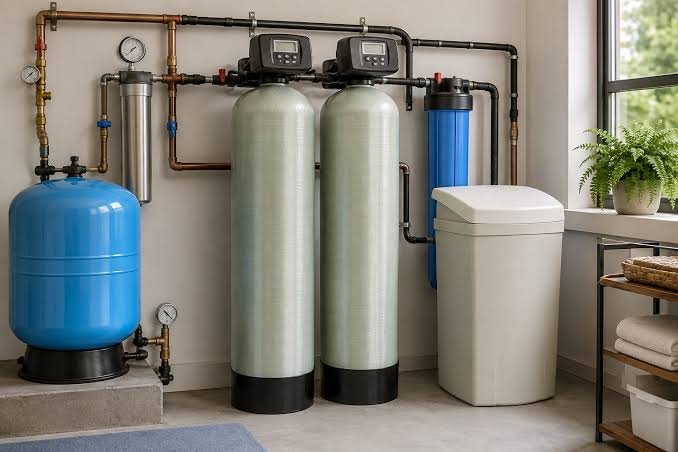
Looking through water softener and filtration FAQs can help homeowners understand whether they need one system or a combination of both. In some homes, installing a softener for the entire house and a drinking water filter in the kitchen makes sense. In others, a single targeted treatment system may be enough.
How Often Does a Water Treatment System Need Maintenance?
Maintenance depends on the type of system, water usage, and incoming water quality. Filters may need replacement every few months or according to the manufacturer’s recommended schedule. Water softeners may require periodic checks of salt levels, settings, and overall performance.
Ignoring maintenance can reduce effectiveness and eventually affect the quality of treated water. Keeping track of service dates and following the manufacturer’s instructions is a simple habit that can prevent unnecessary problems.
Making Water Quality Less Complicated
Homeowners don’t need to become water treatment experts to make better decisions. They simply need reliable information, a clear understanding of their water concerns, and practical guidance from someone who knows the subject.
Whether the goal is better-tasting drinking water, fewer mineral deposits, cleaner showers, or greater confidence in the water used every day, the right solution starts with asking questions. Testing, understanding, and choosing carefully can turn a confusing process into a straightforward one.
Good water treatment isn’t about buying the biggest system or following every recommendation you hear. It’s about finding what works for your home, maintaining it properly, and enjoying the difference in everyday life.