Water is one of those things businesses rarely think about until something stops working properly. A restaurant may suddenly struggle with cloudy glassware, a hotel might notice mineral deposits on bathroom fixtures, or a manufacturing facility could experience unexpected equipment problems. In many cases, water quality plays a bigger role than people initially realize.
Whether a business operates a small commercial kitchen, a large office building, a warehouse, or an industrial facility, dependable water is essential. The right treatment approach can make daily operations smoother, reduce maintenance headaches, and help businesses avoid unnecessary expenses over time.
Why Commercial Water Quality Deserves Attention
Commercial properties often use significantly more water than residential homes. Water may run through boilers, cooling equipment, washing machines, commercial dishwashers, beverage systems, production machinery, and plumbing networks throughout the day. When the water contains excessive hardness, sediment, iron, or other unwanted substances, these systems can gradually be affected.
Hard water is a particularly common concern. Calcium and magnesium minerals can accumulate inside pipes, heating elements, and equipment surfaces. Over time, scale may reduce efficiency and increase the need for cleaning or maintenance. Even something as simple as soap residue can become frustrating in facilities with frequent cleaning requirements.
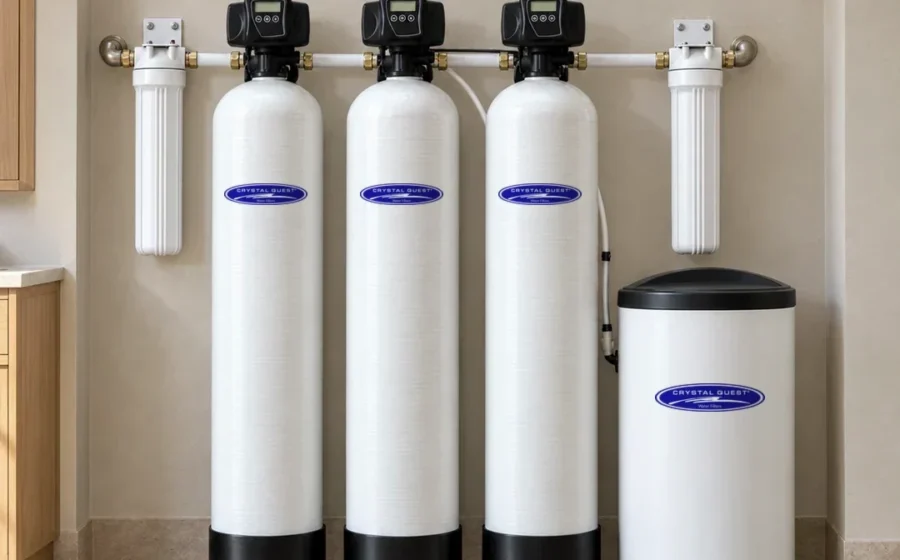
That’s where commercial water conditioning becomes useful. Depending on the water quality and operational requirements, conditioning may help reduce hardness-related problems, improve water performance, and protect equipment that depends on a consistent supply.
Finding the Right Treatment for Your Business
Every business has different water requirements, so selecting treatment equipment shouldn’t be a one-size-fits-all decision. A café might need water that works well with coffee machines and beverage preparation. A hotel may prioritize guest comfort, laundry operations, and reliable hot water. A factory, on the other hand, could require specific water characteristics for manufacturing, cooling, or cleaning processes.
The first step should always be understanding the water itself. Testing can reveal hardness levels, dissolved minerals, sediment, iron, and other parameters that may influence the treatment decision. Once those details are clear, businesses can choose equipment based on real needs instead of guesswork.
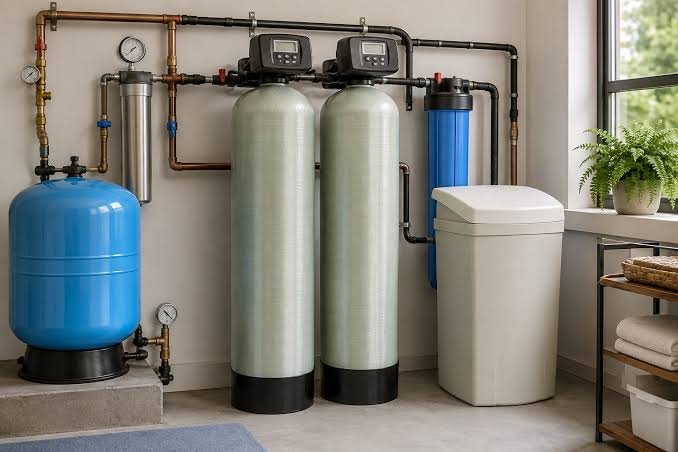
Sediment filtration, activated carbon, water softening, and specialized treatment technologies each have their own purpose. Combining several technologies may be appropriate for certain applications, but adding equipment that isn’t needed can increase installation and maintenance costs without delivering much value.
When Reverse Osmosis Makes Sense
Some commercial operations require water with lower dissolved mineral content than conventional filtration can provide. Restaurants, bakeries, laboratories, beverage manufacturers, and other businesses may use treated water for specific processes or equipment.
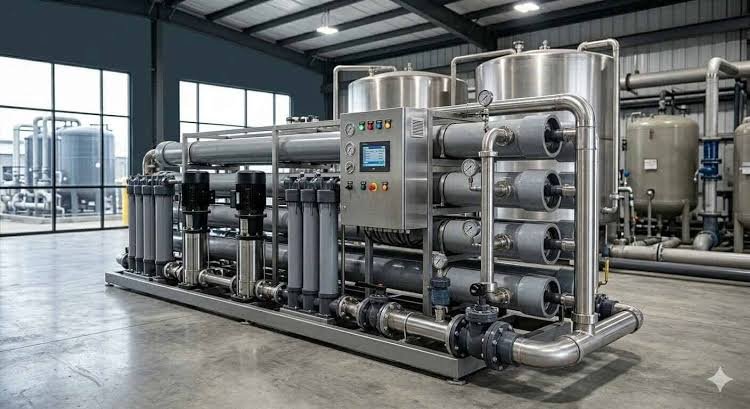
Commercial reverse osmosis systems work by pushing water through a semipermeable membrane that reduces many dissolved substances. Depending on the system design and water conditions, this can improve water consistency and help meet particular application requirements.
For example, a food service business may want to reduce mineral deposits in steam equipment, while a beverage operation may need more consistent water characteristics to maintain product quality. Reverse osmosis can be a useful option in these situations, though it isn’t automatically the best choice for every business. Water testing, flow requirements, recovery rates, membrane maintenance, and the intended application all matter.
Choosing Equipment That Supports Daily Operations
A treatment system should fit the way a business actually operates. Equipment that works well for a small café may not have enough capacity for a hotel or production facility. Businesses need to consider water demand, peak usage, available space, installation requirements, and the cost of maintaining the system.
Choosing the right commercial water treatment equipment involves looking beyond the initial purchase price. Filter replacement schedules, service availability, operating costs, energy use, water waste, and system reliability can all affect the long-term investment.
It’s also worth considering what happens if demand increases. A growing business may add employees, expand production, introduce new equipment, or renovate its facility. A treatment system should ideally accommodate those changes without creating unnecessary complications.
Maintenance Is Part of the Investment
Even a well-designed system needs attention. Filters gradually collect particles, softeners require salt replenishment, and reverse osmosis membranes may need cleaning or replacement depending on water conditions and usage. Ignoring maintenance can reduce system performance and eventually affect the equipment being protected.
A simple maintenance schedule can make a difference. Regular inspections, monitoring pressure changes, checking treated-water quality, and replacing consumables on time help keep operations predictable. Business owners don’t always have time to manage these details themselves, which is why professional servicing can be useful for larger or more complex systems.
Better Water, Fewer Operational Surprises
Water treatment may not be the most exciting part of running a business, but it can quietly influence productivity, equipment life, cleaning efficiency, and operating expenses. When water quality is properly managed, staff can focus on customers, production, and the work that actually drives the business forward.
The smartest approach is to test the water, identify the real problem, and choose a treatment system that matches the facility’s requirements. With the right equipment and consistent maintenance, businesses can make water management a dependable part of their operation rather than another issue waiting to surface at the worst possible time.